Frequently Asked Questions About Concrete Leveling in Gilbert, AZ
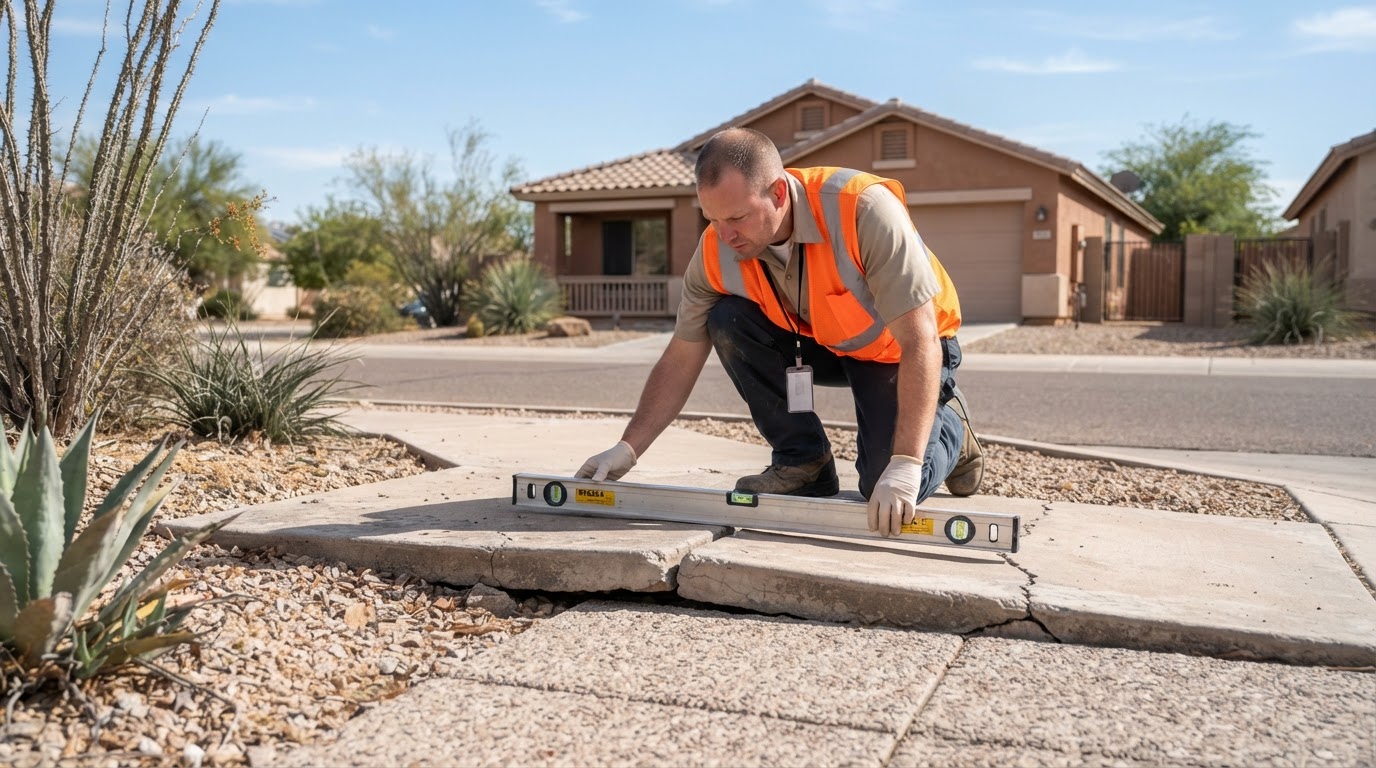
Gilbert Concrete Leveling has 10+ years of experience and is insured for the concrete leveling and lifting work we perform. This FAQ helps Gilbert-area property owners understand how to hire concrete leveling help, what the methods are, what drives cost, how the process works, the areas we serve, and the next step to request service. Every answer is direct first, then expanded with useful specifics — so you can find what you need quickly.
Hiring Concrete Leveling Help in Gilbert
What does a concrete leveling company do?
A concrete leveling company raises and re-aligns settled or uneven concrete slabs instead of removing and replacing them. The work involves inspecting the slab, identifying voids and settlement beneath it, and introducing a lifting material — polyurethane foam or a cementitious mudjacking slurry — through access holes to fill voids and lift the concrete back toward its original elevation.
How do I know whether my concrete can be leveled instead of replaced?
Your concrete is a good candidate for leveling when the slab is largely intact but has settled, tilted, or lost support beneath it. Replacement is more appropriate when the concrete itself is badly broken, extensively cracked, or deteriorated. An on-site inspection determines which path fits your slab, and you can request an estimate before deciding whether to repair or replace.
How much experience does Gilbert Concrete Leveling have?
Gilbert Concrete Leveling has 10+ years of hands-on concrete leveling and lifting experience. That experience covers evaluating slab settlement, selecting between polyurethane foam and mudjacking methods, and judging when lifting makes sense versus when replacement is the better investment.
Is Gilbert Concrete Leveling insured?
Yes, Gilbert Concrete Leveling is insured. Insurance is one of the two verified facts we display throughout this site, alongside 10+ years of experience. We do not show credentials that have not been verified.
What should I ask before hiring a concrete leveling company?
Ask whether the company inspects the slab before recommending a method, which lifting method they propose and why, how the price is determined, whether the slab is actually a good candidate for leveling, and what the return-to-use timing is. A clear answer to each shows the company is diagnosing your slab rather than selling a single approach to every job.
Concrete Leveling Pricing and Estimates
How much does concrete leveling cost in Gilbert?
Concrete leveling cost in Gilbert depends on the specifics of your slab and is set after an on-site evaluation. Smaller single-panel jobs sit at the lower end of the range, while larger multi-panel driveway, patio, or pool deck work scales with area, lift amount, and material volume. An exact price requires inspecting the project.
What factors affect the price of concrete leveling?
Price is driven by square footage and the number of panels, the amount of lift required, the size and depth of any void, material volume, access to the area, slab thickness and condition, the method selected, trip minimums where applicable, the extent of cracking or deterioration, and whether replacement has become more economical. Each of these moves the final number.
Is concrete leveling usually less expensive than replacement?
Yes, concrete leveling is usually less expensive than full slab replacement because it preserves the existing concrete instead of demolishing and repouring it. The savings depend on the area, lift amount, method, and how much concrete is in good enough condition to keep. Badly broken slabs may make replacement the more economical choice.
Can I get an estimate before deciding whether to repair or replace the slab?
Yes, you can request an estimate before committing to a repair or replacement. An inspection and estimate give you the information to compare the cost and viability of leveling against replacement so you can decide with the facts in front of you. Submitting an estimate request does not create a service contract.
Polyjacking, Mudjacking, and Slab Lifting
What is polyjacking?
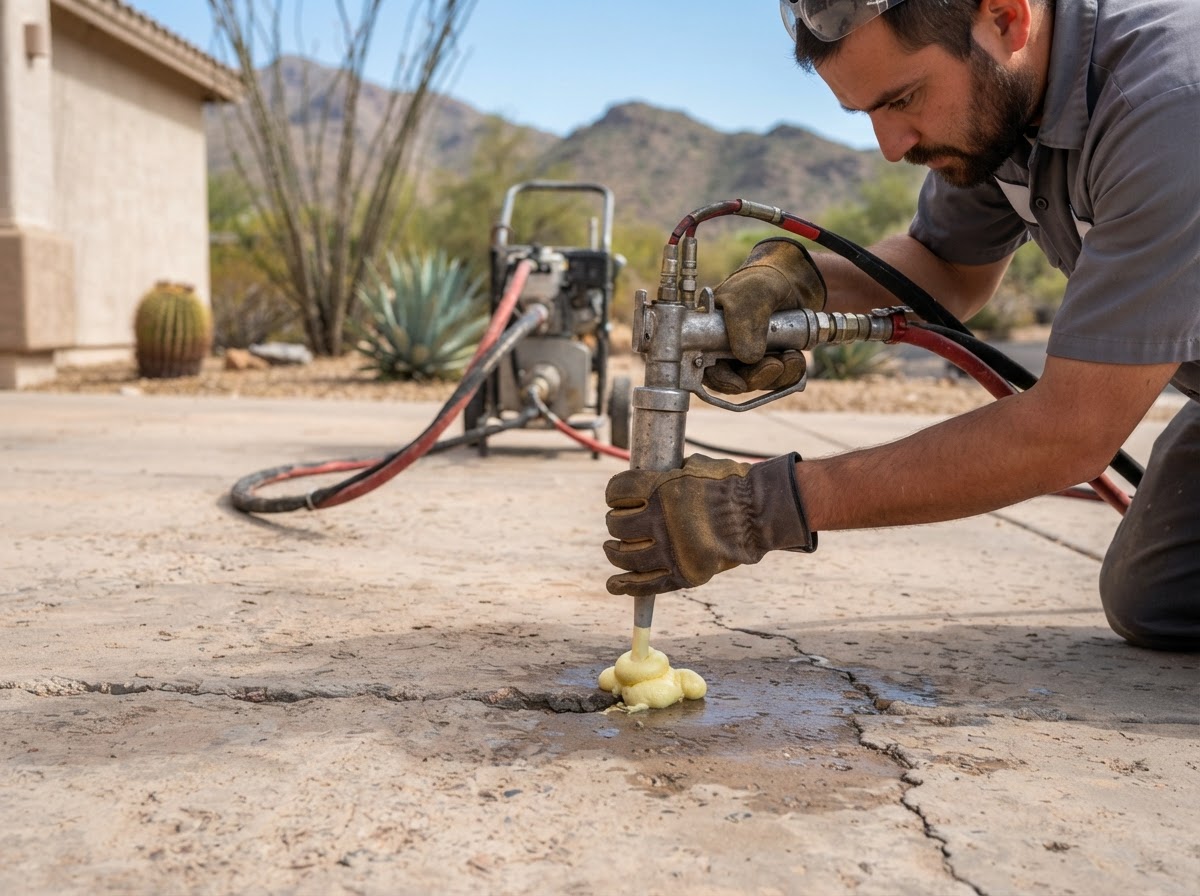
Polyjacking, or polyurethane foam leveling, is a concrete leveling method that injects expanding polyurethane foam through small holes in the slab. As the foam expands beneath the concrete it fills voids and produces a controlled lift. The material is lightweight and the holes are small, which suits many residential and pool deck applications. See our polyjacking page for more detail.
What is mudjacking?
Mudjacking pumps a cementitious slurry under pressure through larger holes in the slab to fill voids and raise the concrete. The slurry is denser and heavier than foam, and the access holes are larger, but mudjacking remains a useful and often more economical option for suitable slabs and larger lifts. See our mudjacking page for more detail.
What is the difference between polyjacking and mudjacking?
Polyjacking uses lightweight, expanding polyurethane foam through small injection holes, while mudjacking uses a denser cementitious slurry through larger holes. Foam typically allows a faster return to use, while mudjacking is often more economical for larger lifts. The right choice depends on slab condition, void size, access, and how much lift is needed.
Is slab lifting the same as concrete leveling?
Slab lifting is a form of concrete leveling, not a different service. Concrete leveling describes raising and re-aligning a settled slab, and slab lifting is the act of raising that slab — which can be done with polyurethane foam, a mudjacking slurry, or void filling. See our slab lifting page for more detail.
How do you decide which leveling method to use?
The method is chosen after inspecting the slab for condition, void size, access, and how much elevation needs to be recovered. Polyurethane foam suits small holes and lightweight lifts; mudjacking suits denser, larger lifts; void filling suits stabilization where support has been lost. The decision comes from the actual conditions beneath the concrete.
Scheduling and Concrete Leveling Process
How long does a concrete leveling project take?
A typical residential concrete leveling project is a same-day or short-duration job, though timing depends on the size of the area, the method selected, and how much material is required. Larger commercial or multi-panel projects take longer. A project-specific evaluation gives a more accurate time estimate rather than a universal guarantee.
What happens during a concrete leveling evaluation?
During an evaluation, the slab is inspected for settlement, voids, cracking, and how the surrounding grade and drainage relate to the concrete. Likely settlement and void areas are located, and a leveling or stabilization approach is recommended based on what the inspection finds. The evaluation determines whether the slab is a good candidate for lifting.
When can I use the concrete after it has been leveled?
Polyurethane foam leveling typically allows the slab to be used again quickly because the foam cures fast, while mudjacking slurry needs more time to set before full traffic. Exact return-to-use timing depends on the method and conditions, and your crew confirms when the specific surface is ready for regular use.
Do I need to prepare the area before the crew arrives?
Basic preparation helps the crew access the settled slab — clearing vehicles, furniture, or items off the work area and noting any drainage concerns. Your crew confirms any specific preparation needed for your project when the visit is scheduled. No hazardous DIY drilling or injection work is expected of the property owner.
Driveways, Sidewalks, Pool Decks, and Other Slabs
Can a sunken driveway be leveled?
Yes, a sunken driveway can usually be leveled when the driveway panels are still largely intact and settlement is the main problem. Lifting material is introduced beneath the settled panels to raise them back toward the adjacent surface. Badly broken or deteriorated driveway panels may need replacement instead of lifting.
Can concrete leveling fix a sidewalk trip hazard?
Yes, a sidewalk trip hazard caused by one panel settling below another can usually be fixed by raising the lower panel back into alignment. Leveling addresses the elevation difference at the joint where the trip hazard occurs. Panels that are shattered or structurally damaged may instead require replacement.
Can a settled pool deck be lifted?
Yes, a settled pool deck can often be lifted, especially sections that have dropped near the coping. Small-diameter injection holes and lightweight polyurethane foam are commonly used to fill voids and raise the deck back toward the surrounding elevation. Cracked-through or crumbling deck concrete may require replacement instead.
Can garage floors and patios be leveled?
Yes, settled garage floors and patios can be leveled where the slab is largely intact. Lifting material is placed beneath the settled area to fill voids and recover elevation, with attention to how the surface drains. Garage floors or patios that are badly broken or deteriorated may be better candidates for replacement.
Gilbert Soil, Settlement, and Service Area
Why does concrete settle in Gilbert, Arizona?
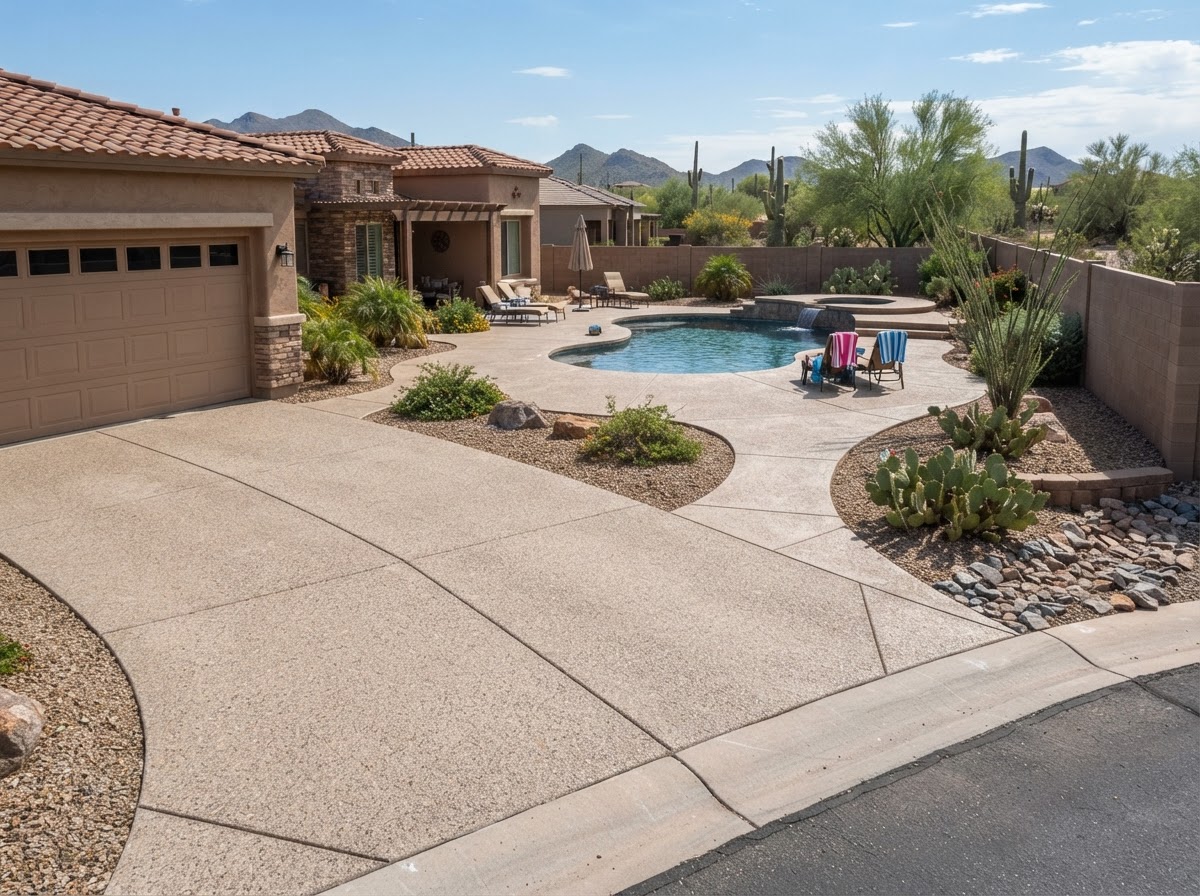
Concrete in Gilbert settles due to a combination of factors — changing soil moisture from monsoon storms and irrigation, variable subgrade compaction, drainage and water movement that erodes soil from beneath slabs, heat and joint movement from long outdoor exposure, and voids that form as support is lost. No single factor explains every case, which is why inspection matters.
What areas does Gilbert Concrete Leveling serve?
Gilbert Concrete Leveling serves Gilbert as its primary city and also provides service to qualified East Valley areas including Queen Creek, Mesa, San Tan Valley, Sun Lakes, and Apache Junction. Contact us to confirm service for your specific location and project.
Why Gilbert Concrete Leveling Is a Strong Local Choice
10+ Years of Experience
A decade of hands-on concrete leveling and lifting across residential and commercial flatwork.
Insured
Gilbert Concrete Leveling is insured for the concrete leveling work we perform.
Concrete Leveling & Lifting Specialization
Our focus is concrete leveling and lifting, not general contracting — polyjacking, mudjacking, void filling, and stabilization.
Multiple Repair-Method Knowledge
We select between polyurethane foam, mudjacking, and void filling based on what your slab and soil actually require.
Repair-vs-Replacement Guidance
You get an honest comparison of whether your slab is a good candidate for leveling or whether replacement is the better path.
Clear Estimates and Process
Pricing guidance and the project process are explained plainly, with a straightforward next-step review.
Gilbert & East Valley Concrete Conditions
Experience with local outdoor concrete, soil moisture, drainage, and heat exposure that affect how slabs settle here.
Request Concrete Leveling Service
Call 602-905-1220 or use the form below to request an estimate. You can also visit our concrete leveling services or about page.
Request a Concrete Leveling Estimate
Talk to a Gilbert concrete leveling specialist with 10+ years of experience. Insured work, clear pricing, and a straightforward process — no pressure.
602-905-1220